Community Focus
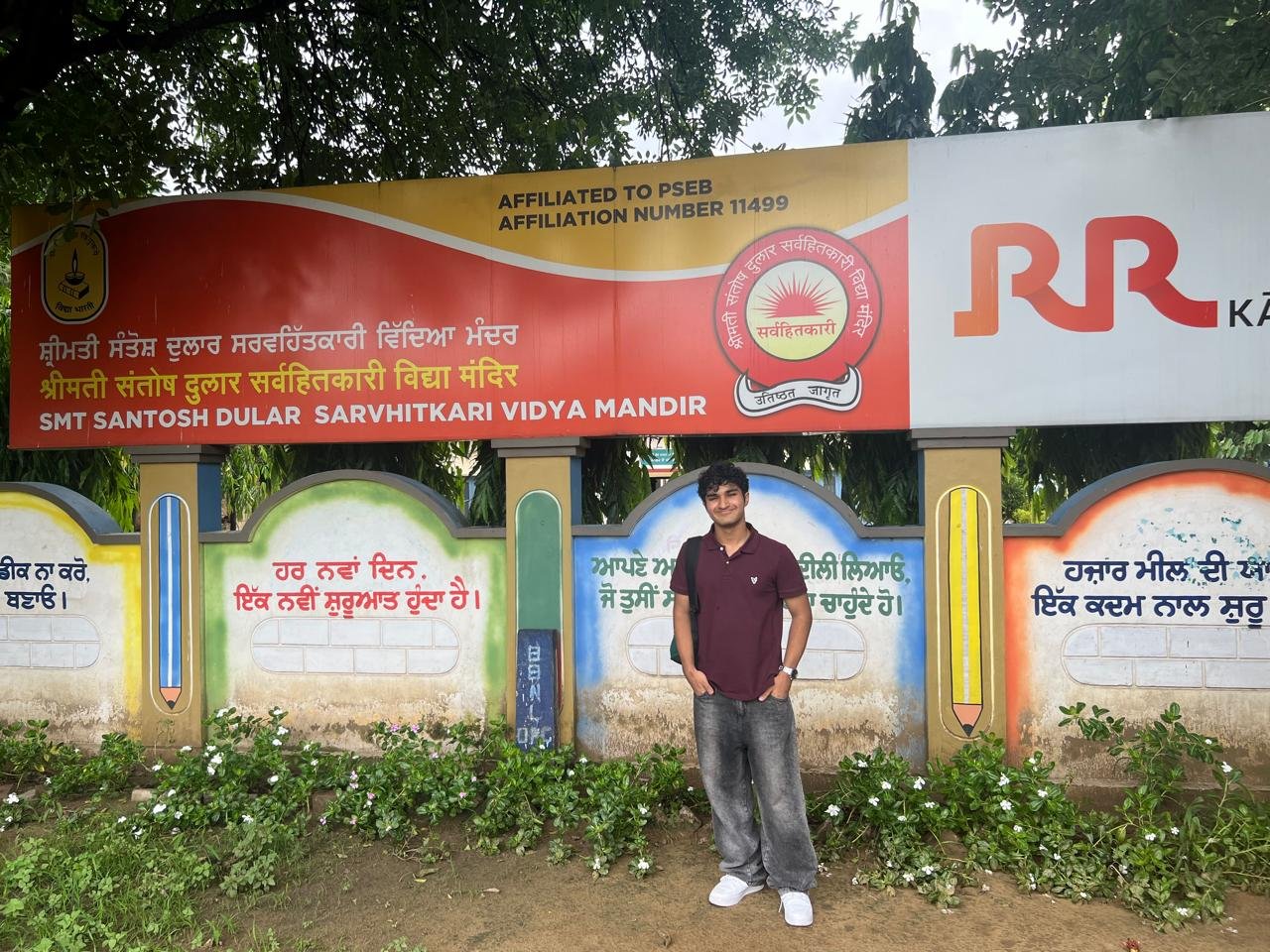
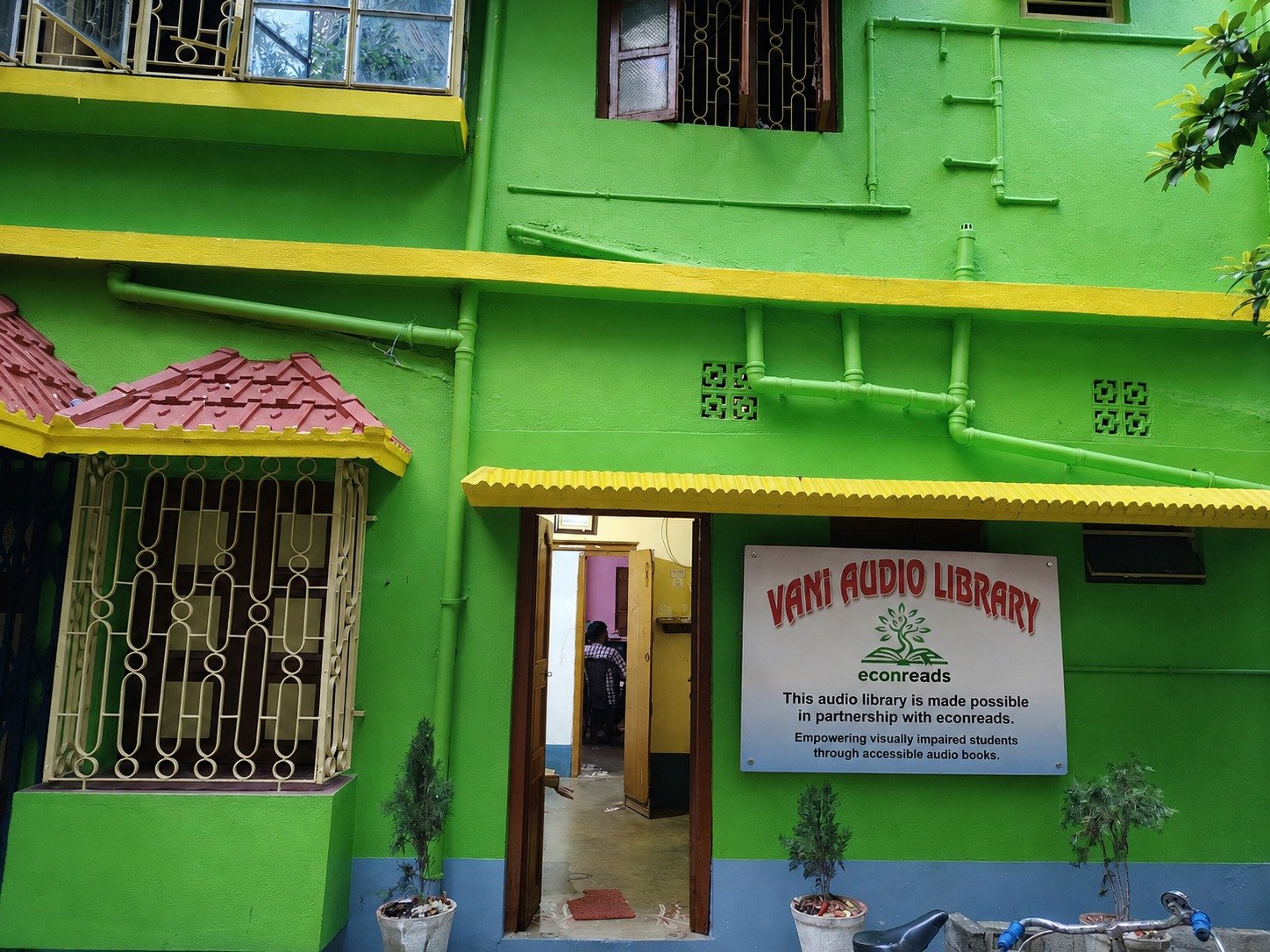
We partner directly with blind schools and NGOs, building what learners actually ask for rather than what we assume they need.
Empowering Access
We believe knowledge should be open to everyone, not limited by barriers.

About EconReads
The World Health Organization estimates 45 million people worldwide are fully blind, and the World Blind Union believes up to 90% of them don't receive adequate education. Only about 1% of learning materials worldwide are printed in accessible formats like Braille. EconReads, a Wyoming-registered NGO, exists to close that gap.
विश्व स्वास्थ्य संगठन के अनुसार दुनिया भर में लगभग 4.5 करोड़ लोग पूर्ण रूप से दृष्टिबाधित हैं, और वर्ल्ड ब्लाइंड यूनियन के अनुसार उनमें से 90% तक को पर्याप्त शिक्षा नहीं मिलती। दुनिया भर की केवल लगभग 1% शिक्षण सामग्री ही ब्रेल जैसे सुलभ प्रारूपों में छपती है। वायोमिंग (अमेरिका) में पंजीकृत NGO, EconReads, इसी अंतर को पाटने के लिए बना है।
Most articles, reports, and commentaries on economics and finance are published in text-heavy formats that overlook how people who cannot see the page can engage with the ideas inside. That creates a major gap in access to information that shapes daily decisions, financial independence, and participation in important economic discussions - not because the material is hard, but because of how it happens to be packaged.
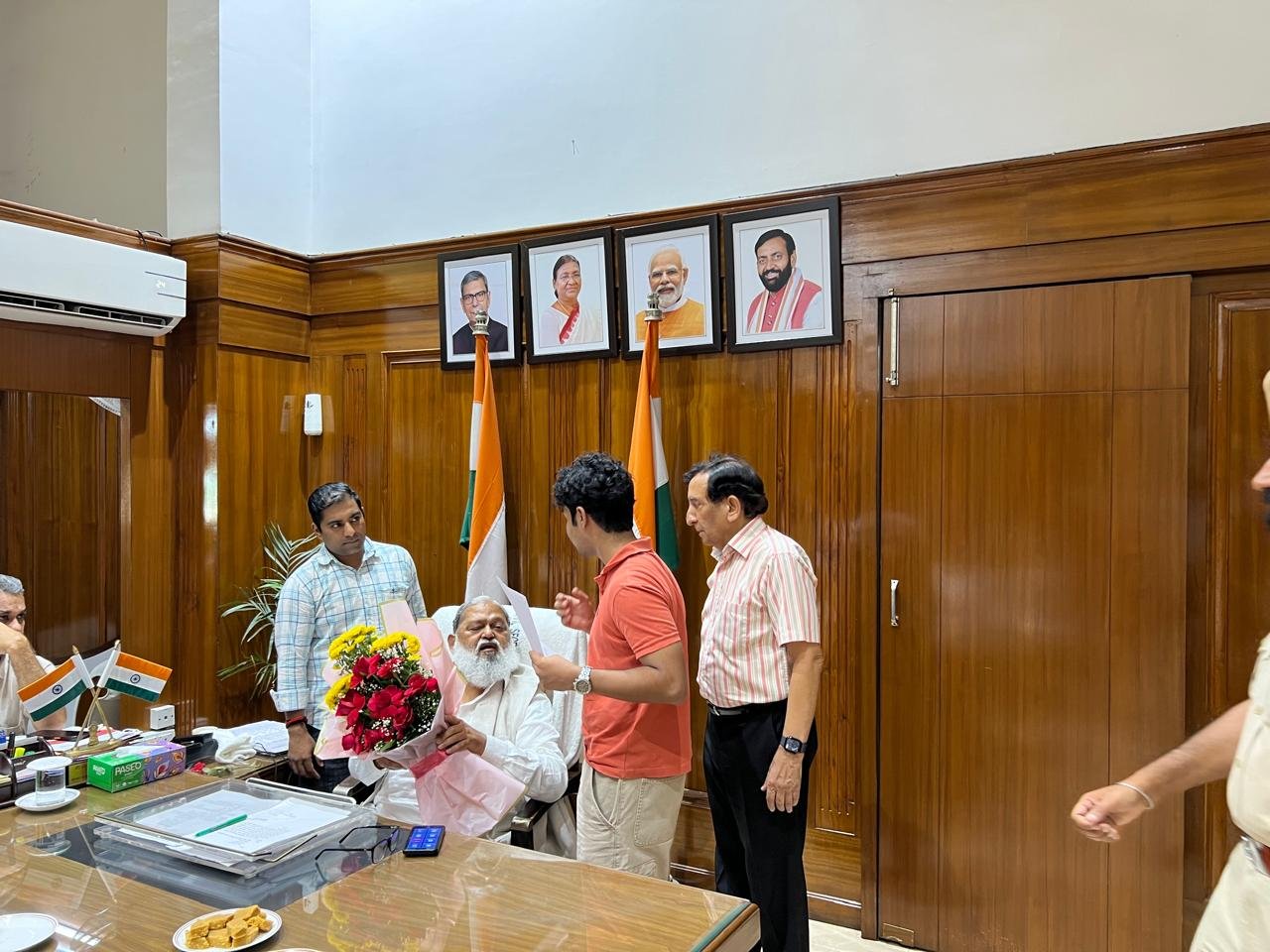
We transform existing articles into clear, engaging audio recordings, organized by topic, with a link back to the original source. We also work offline: fundraisers, collaborations with schools for the blind and NGOs, awareness campaigns, and liaising with public representatives on longer-term policy solutions.
अर्थशास्त्र और वित्त पर ज़्यादातर लेख, रिपोर्ट और टिप्पणियाँ भारी-भरकम टेक्स्ट वाले प्रारूपों में प्रकाशित होती हैं, जो अक्सर यह नज़रअंदाज़ कर देती हैं कि पेज न देख पाने वाले लोग उसके भीतर के विचारों से कैसे जुड़ें। इससे रोज़मर्रा के फ़ैसलों, वित्तीय स्वतंत्रता, और ज़रूरी आर्थिक चर्चाओं में भागीदारी को आकार देने वाली जानकारी तक पहुँच में एक बड़ा अंतर पैदा होता है - इसलिए नहीं कि सामग्री कठिन है, बल्कि इसलिए कि इसे जिस तरह पैक किया जाता है।
हम मौजूदा लेखों को साफ़, आकर्षक ऑडियो रिकॉर्डिंग में बदलते हैं, विषय के हिसाब से व्यवस्थित, और मूल स्रोत के लिंक के साथ। हम ऑफ़लाइन भी काम करते हैं: फंडरेज़र, अंध विद्यालयों और एनजीओ के साथ सहयोग, जागरूकता अभियान, और लंबी अवधि के नीतिगत समाधानों के लिए जन प्रतिनिधियों से संपर्क।
We partner directly with blind schools and NGOs, building what learners actually ask for rather than what we assume they need.
Economics and personal finance decide real outcomes. We make that knowledge reachable without a paywall or a sighted intermediary.
Every lesson is audio-first and screen-reader native, so the experience is designed for our learners instead of retrofitted for them.
Our work
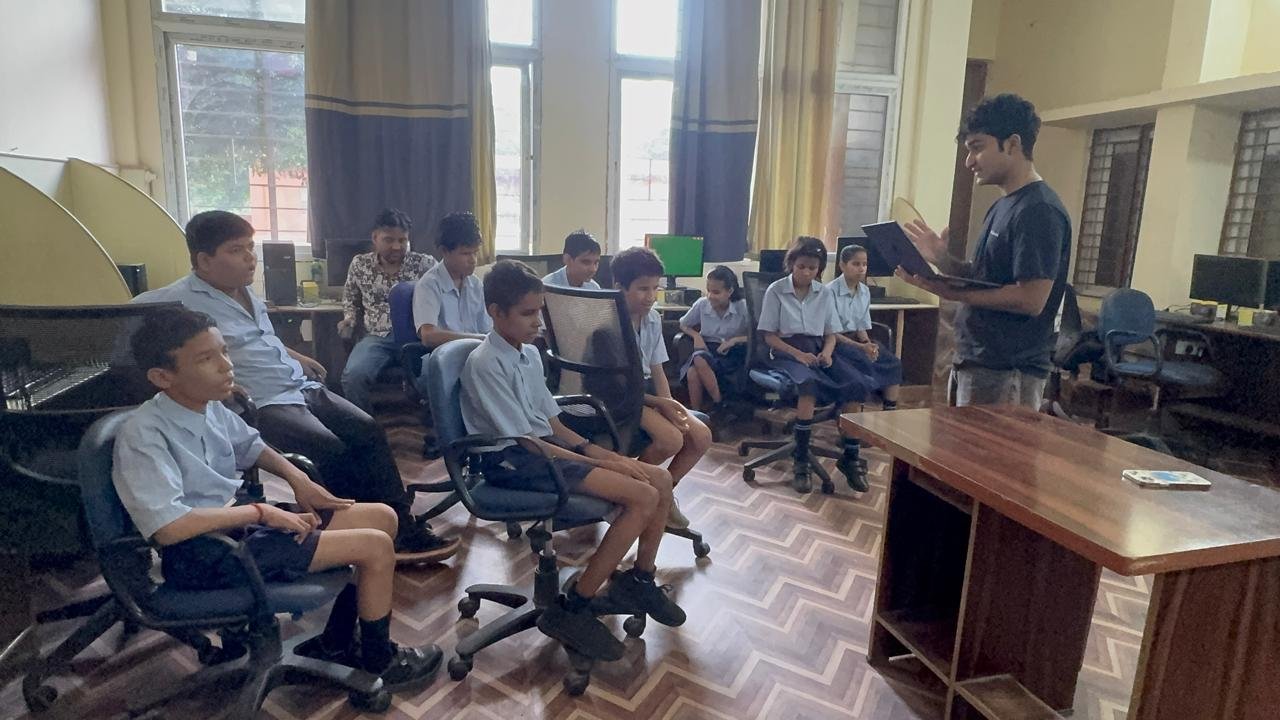
The curriculum is one half of EconReads. The other half happens in person - here's some of it.
Current fundraiser
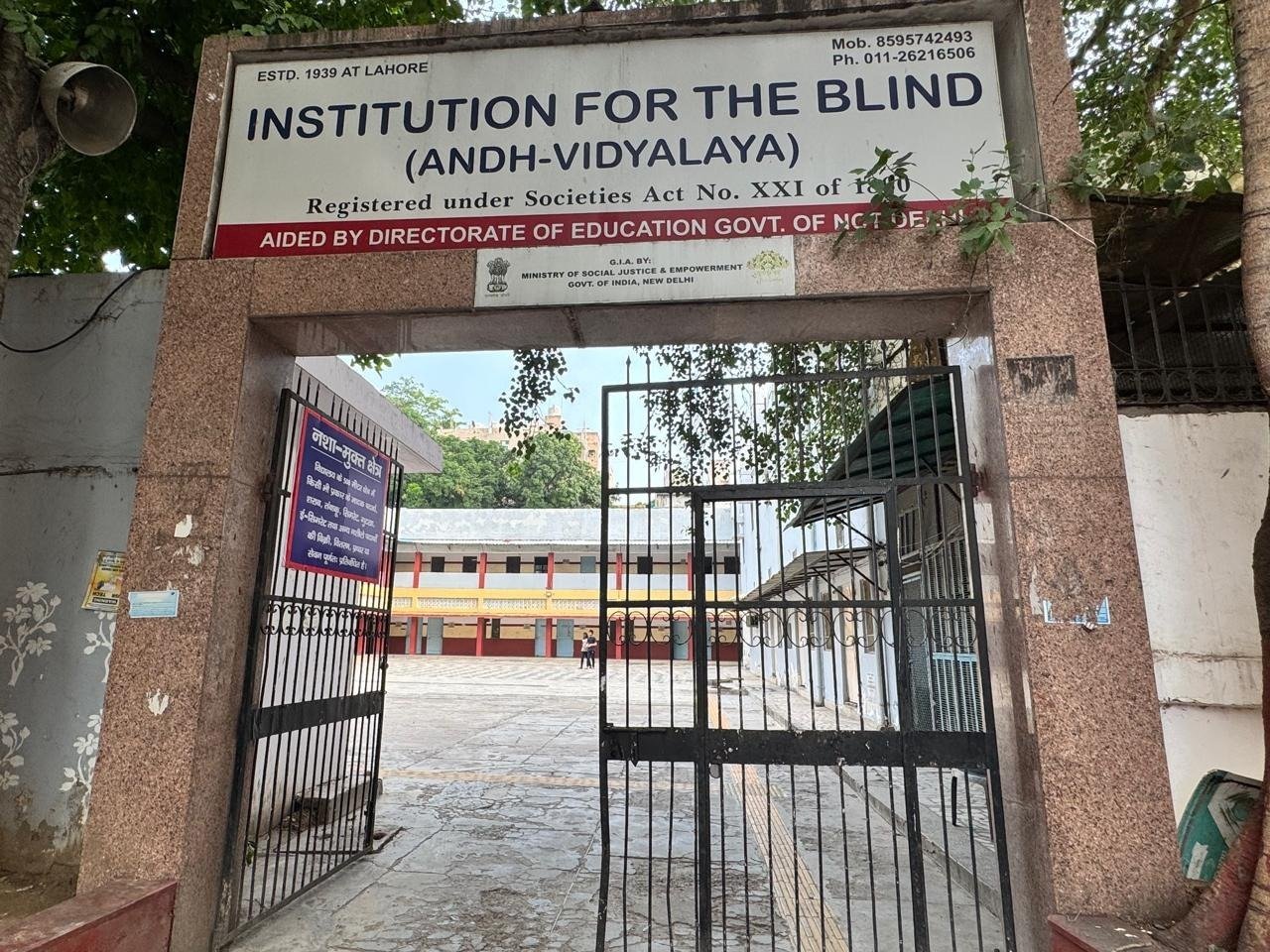
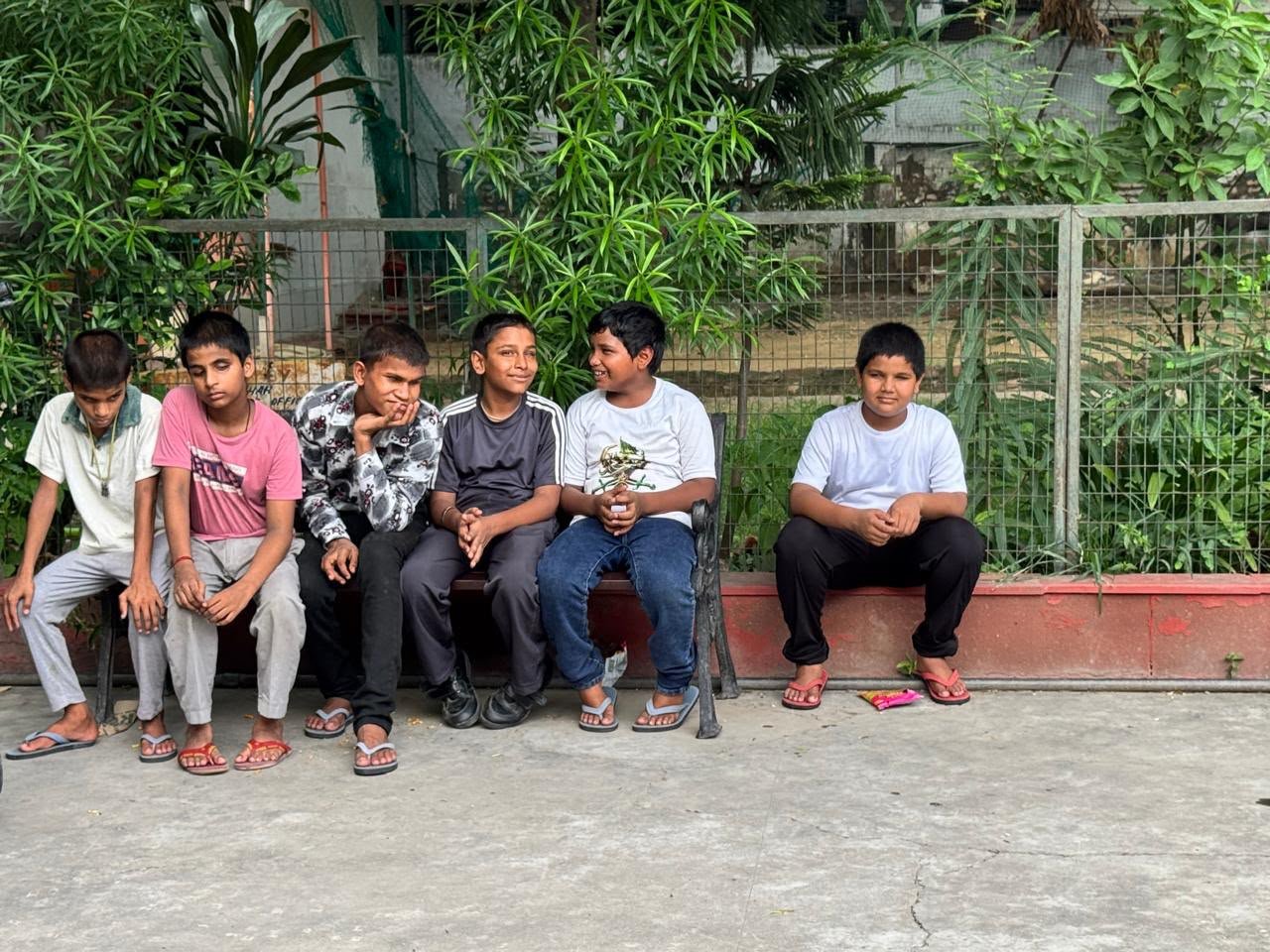
For the past year, EconReads has partnered with three schools for the blind in Delhi, Gurugram and Patiala, bringing our audio learning resources into their classrooms. Working alongside them, we saw a harder problem up close: these schools simply don't have the basic tools their students need. Classrooms are missing Braille books, computers are outdated or missing entirely, and there's little to no audio equipment or screen readers - yet teachers and students are doing remarkable work with almost nothing.
We're raising $14,000 to change that, with every dollar going directly toward equipping these three schools with Braille books, screen readers, audio equipment and computers. Together, these schools serve 700 students - with the right resources, each of them gets a real shot at an independent, literate, connected education.
We already know these schools and exactly where support is needed most, so your gift won't get lost in overhead - it becomes a Braille book placed in a student's hands, or a computer they can finally use.
पिछले एक साल से, EconReads ने दिल्ली, गुरुग्राम और पटियाला के तीन अंध विद्यालयों के साथ साझेदारी की है, अपने ऑडियो शिक्षण संसाधनों को उनकी कक्षाओं तक पहुँचाते हुए। उनके साथ काम करते हुए, हमने करीब से एक बड़ी समस्या देखी: इन स्कूलों के पास अपने छात्रों के लिए ज़रूरी बुनियादी उपकरण ही नहीं हैं। कक्षाओं में ब्रेल किताबें नहीं हैं, कंप्यूटर पुराने या मौजूद ही नहीं हैं, और स्क्रीन रीडर व ऑडियो उपकरण भी न के बराबर हैं - फिर भी शिक्षक और छात्र लगभग कुछ भी न होने के बावजूद उल्लेखनीय काम कर रहे हैं।
हम इसे बदलने के लिए 14,000 डॉलर जुटा रहे हैं, जिसका हर डॉलर सीधे इन तीन स्कूलों को ब्रेल किताबें, स्क्रीन रीडर, ऑडियो उपकरण और कंप्यूटर से लैस करने में जाएगा। साथ मिलकर, ये स्कूल 700 छात्रों की सेवा करते हैं - सही संसाधनों के साथ, हर एक को एक स्वतंत्र, साक्षर, जुड़ी हुई शिक्षा का असली मौका मिलता है।
हम पहले से इन स्कूलों को जानते हैं और ठीक-ठीक जानते हैं कि समर्थन कहाँ सबसे ज़्यादा ज़रूरी है, इसलिए आपका दान ओवरहेड में गुम नहीं होता - यह किसी छात्र के हाथ में एक ब्रेल किताब बन जाता है, या एक कंप्यूटर जिसे वे आख़िरकार इस्तेमाल कर पाते हैं।
$7,357.94 raised of $14,000 goal · 183 donations
$14,000 के लक्ष्य में से $7,357.94 जुटाए गए · 183 दान
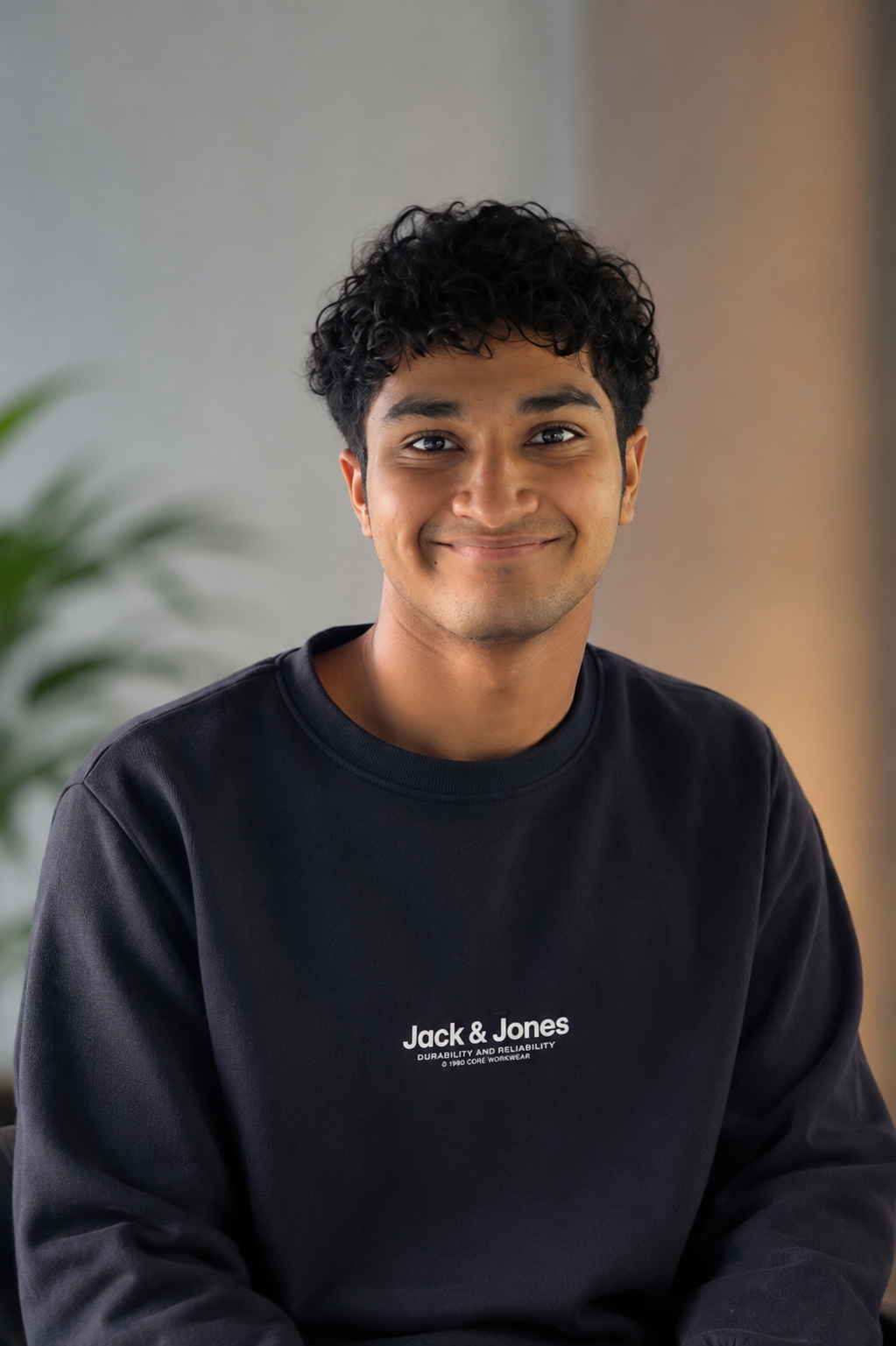
Advik
Founder, EconReads
From the founder
I started EconReads because I kept running into the same gap: the people who most needed to understand money had the least access to anyone explaining it.
My motivation for founding EconReads stems from my very own personal experience. Four years ago, I met a visually impaired relative who had built a career in banking despite the barriers that inaccessible information and technology presented. Seeing firsthand how much determination was required to navigate systems that were often not designed with visually impaired people in mind made me increasingly aware of the gap between having access to education and being able to access it independently. This experience is what ultimately inspired me to create EconReads, with the aim of making economics, finance, and educational resources more accessible to visually impaired learners.
मैंने EconReads इसलिए शुरू किया क्योंकि मैं बार-बार एक ही अंतर से टकराता था: जिन लोगों को पैसे को समझने की सबसे ज़्यादा ज़रूरत थी, उनके पास इसे समझाने वाले किसी की सबसे कम पहुँच थी।
EconReads की स्थापना के पीछे मेरी प्रेरणा मेरे अपने निजी अनुभव से आती है। चार साल पहले, मैं एक दृष्टिबाधित रिश्तेदार से मिला जिसने अगम्य जानकारी और तकनीक की बाधाओं के बावजूद बैंकिंग में करियर बनाया था। यह देखकर कि उन प्रणालियों में आगे बढ़ने के लिए कितना दृढ़ संकल्प चाहिए था जो अक्सर दृष्टिबाधित लोगों को ध्यान में रखकर नहीं बनाई गई थीं, मुझे शिक्षा तक पहुँच होने और उस तक स्वतंत्र रूप से पहुँच पाने के बीच के अंतर का एहसास बढ़ता गया। यही अनुभव आखिरकार मुझे EconReads बनाने के लिए प्रेरित करने वाला था, इस लक्ष्य के साथ कि अर्थशास्त्र, वित्त, और शिक्षण संसाधनों को दृष्टिबाधित शिक्षार्थियों के लिए ज़्यादा सुलभ बनाया जाए।
Curriculum
Every lesson comes with a transcript and read-aloud. Recordings are added as we produce them.
What money actually is, how it holds value, and the vocabulary every other module builds on.
Accounts, interest, and how to make a bank work for you instead of the other way around.
Credit scores, borrowing costs, and how to tell useful debt from expensive debt.
Payment apps, digital wallets, and staying safe when money moves through a screen.
Stocks, bonds, risk and compounding - explained without the jargon or the hype.
Inflation, jobs, and interest rates - how headline economics reaches your daily life.
This week's briefing
The U.S. and China agreed to extend their trade truce by two months ahead of a White House summit, while Brent oil rose above $105 before easing on reports of talks to reopen the Strait of Hormuz.
Why we publish it
Economic news is written for people who can skim a chart. Our briefing is written to be heard - plain language, no jargon, and always explaining what a headline actually means for your money.
हम इसे क्यों प्रकाशित करते हैं
आर्थिक समाचार उन लोगों के लिए लिखे जाते हैं जो चार्ट पर सरसरी नज़र डाल सकते हैं। हमारी ब्रीफ़िंग सुनने के लिए लिखी जाती है - सरल भाषा में, बिना किसी शब्दजाल के, और हमेशा यह समझाते हुए कि कोई सुर्खी आपके पैसे के लिए असल में क्या मतलब रखती है।
Press
Coverage of EconReads from outlets and organisations.
Rashtra Times
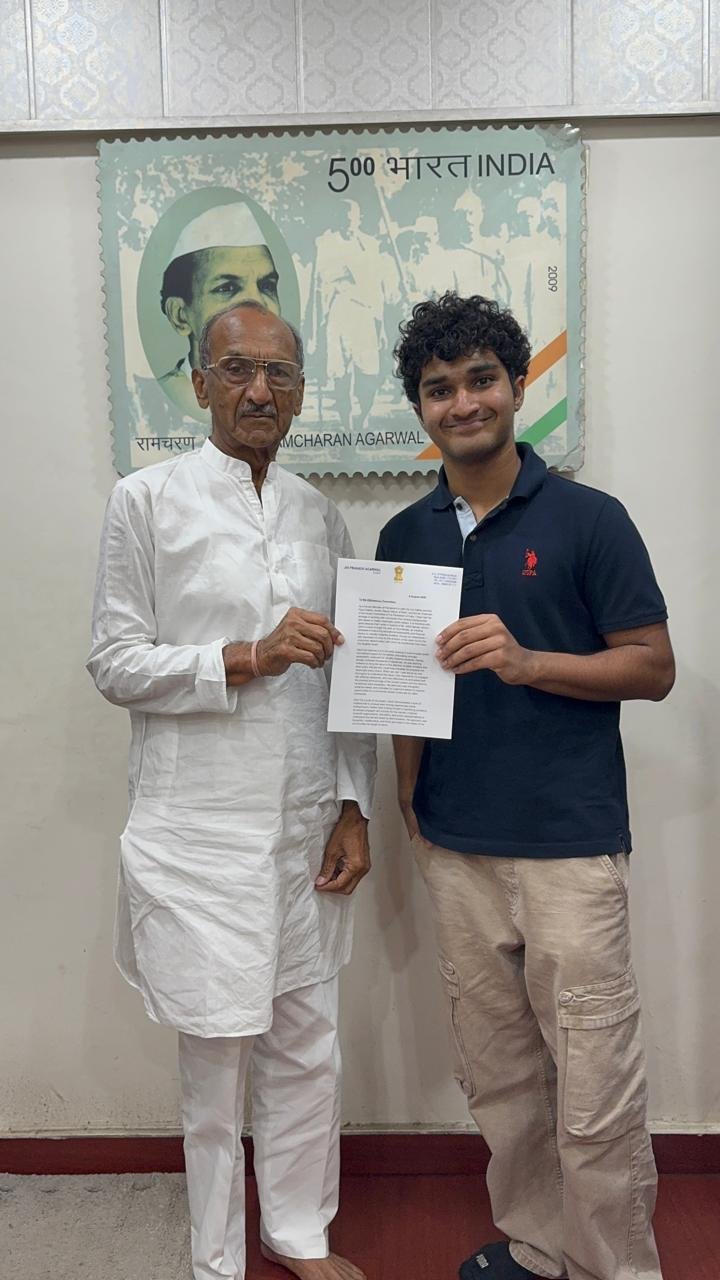
Senior Indian politician Jai Prakash Agarwal endorsed EconReads founder Advik Bansal's campaign to make education and financial literacy accessible to visually impaired students, honoring him with the Young Gandhi Service Award.
ANI News
A profile on how 15-year-old founder Advik Bansal built EconReads into a youth-led initiative making financial literacy accessible to visually impaired learners worldwide.
Testimonials
“The lessons on EconReads have taught me things that my school textbooks never covered. I now understand topics like budgeting, saving, digital payments, and how banks work in everyday life. My Braille textbooks mainly focus on theory, but EconReads connects economics to real situations that I will actually face as an adult.”
 Pranav Chatterjee Student
 “Before finding EconReads, I always had to rely on teachers or family members to help me access economics and finance resources. The website is so much easier to navigate than others I have used, and the screen reader compatibility is excellent. Everything is labelled properly, the audio works smoothly, and I can study independently whenever I want. It has given me much more confidence in my own learning.”
 Aarav Deshmukh Student
 “The EconReads workshops at our school were one of the most useful sessions we have ever had. We learned how to use screen readers with banking apps, make digital payments safely, and avoid common scams. My classmates and I now feel much more confident managing money independently, and we still use the skills we learned.”
 Sneha Kulkarni Student
 Every donation funds recording equipment, assistive tools and workshop materials for visually impaired students. Signing our petition costs nothing and helps just as much.